
How Sleep Affects Fat Loss and Muscle: What the Research Shows

JT
Sep. 16, 2021
How Sleep Affects Fat Loss and Muscle: What the Research Shows
By Jerry Teixeira | Nearly 30 Years of Strength Experience
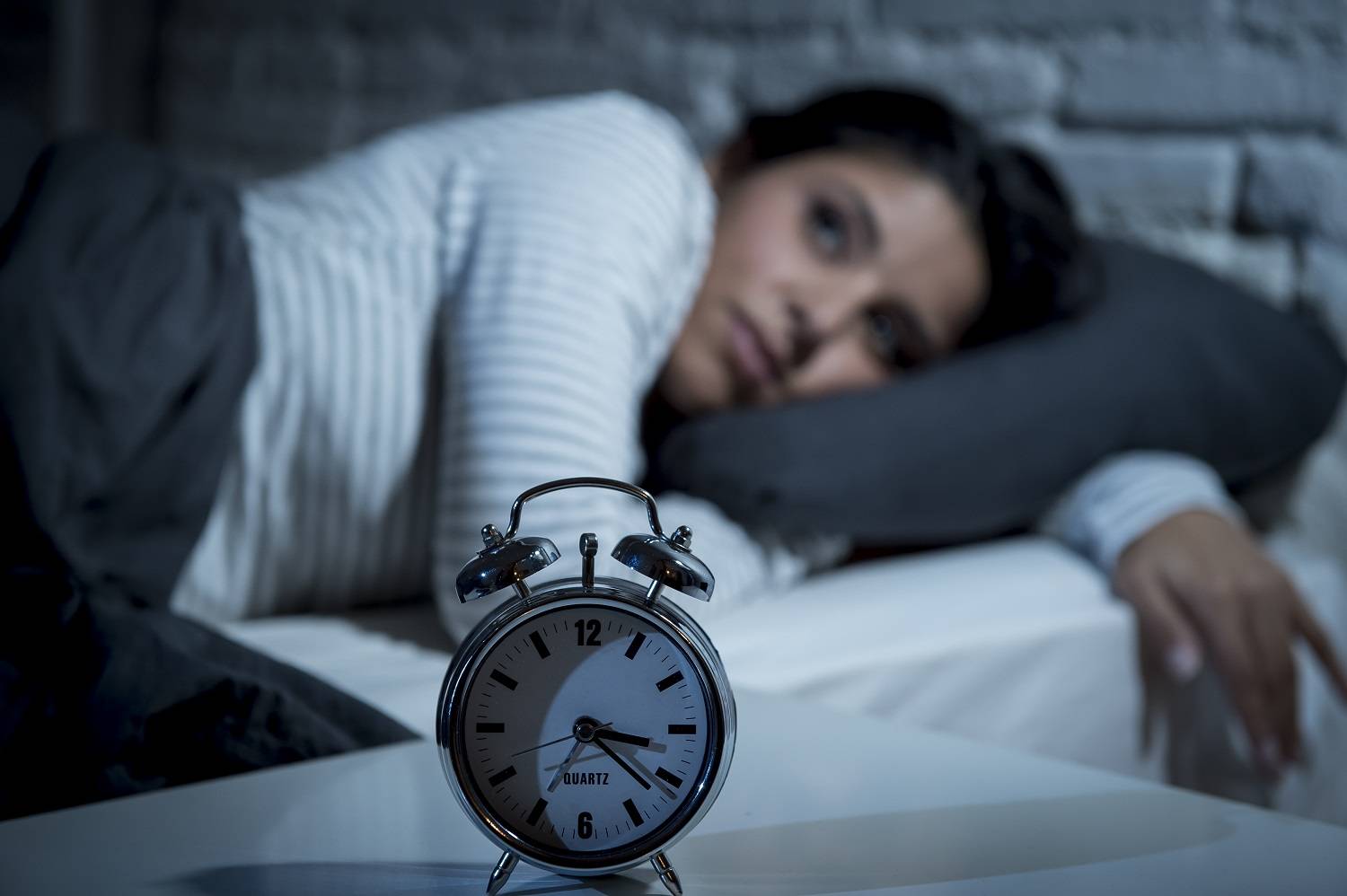
If you're sleeping 6 hours or less, sleep may be the reason. It affects how hungry you are, how much fat you burn, and how much muscle you keep while you're losing weight.
Most people who "do fine on 6 hours" don't
I hear it all the time: "I feel great on 5 or 6 hours."
Genetic short sleepers are real. Researchers have found a gene variant that lets people do well on about 6 hours a night. But it's rare. The lead researcher estimated it shows up in about 3% of people at most.
And people are bad at judging how well they perform after losing sleep. Feeling fine is a low bar.
You can build a career, raise kids and train on 6 hours. Millions of people do. The question is how much better your results would be with more.
Unless you know for sure you're a genetic short sleeper, aim for 7 hours or more.
Short sleep is linked to chronic disease
CDC data show that adults who sleep under 7 hours report higher rates of the most common chronic diseases in the US: heart attack, heart disease, stroke, asthma, COPD, cancer, arthritis, depression, kidney disease and diabetes.
That's correlation. It can't prove short sleep causes those diseases.
But if the goal is to lower your risk, sleep is one of the cheapest things you can fix. A strong, lean body doesn't help much if your health is falling apart underneath it.
Short sleep changes what you lose on a diet
In a 2010 study, researchers put the same group of overweight adults on a mild calorie deficit for 14 days, twice. Once they slept up to 8.5 hours a night, and once only 5.5.
Same people, same diet. The only difference was sleep.
On short sleep, the amount of fat they lost dropped by 55%, from 1.4 kg to 0.6 kg. The amount of lean mass they lost went up by 60%, from 1.5 kg to 2.4 kg. They were hungrier, and their bodies burned less fat.
It was a small, short lab study. But the message is hard to ignore. Diet on short sleep and more of what you lose is muscle.
Sleep loss slows muscle building
In a 2021 study, one night without sleep cut muscle protein synthesis, the process your body uses to build and repair muscle, by 18%. Cortisol went up 21% and testosterone dropped 24%.
An earlier study found that five nights of 4 hours of sleep also lowered muscle building.
After 40, your body tends to build muscle more slowly anyway. (More Muscle Isn't Always Healthier After 40 covers that.) You don't have room to give away more to bad sleep.
Sleeping more helps
In a 2020 pilot study, untrained men did the same 10-week strength program twice a week. Half of them also got basic coaching on how to sleep better.
Both groups gained about the same amount of muscle. The sleep group lost about 1.8 kg of fat, significantly more than the group that only trained. That was from sleep advice alone. Nobody changed their diet.
It was a small study, with 23 men finishing it. But a bigger 2022 trial pointed the same way. Overweight adults who usually slept less than 6.5 hours got one sleep coaching session and added about 1.2 hours of sleep a night. Without any diet instructions, they ate about 270 fewer calories a day.
I've seen this in my own training logs for years. When my sleep is good, my strength goes up and I recover faster. When it slips, both stall.
Where to start
Treat 7 hours as the minimum.
Wake up at the same time every day, weekends included. Keep your bedroom dark and cool. Cut off caffeine early in the day.
Then check whether it's working. Your morning resting heart rate is a free way to see how well you're recovering. (How to Monitor Your Recovery shows you how.)
If you've been stuck on fat loss and you're not sleeping enough, start there before you cut more calories.
If you want a simple place to start with training, join the BWS newsletter.
You'll get the Foundational 8 guide, the eight movements that form the backbone of everything I teach.
No spam. Just actionable training intel when I've got something worth your time.
Stay capable,
JT
Sources
• He Y, et al. The transcriptional repressor DEC2 regulates sleep length in mammals. Science, 2009.
• Centers for Disease Control and Prevention. Sleep and chronic disease data.
• Nedeltcheva AV, et al. Insufficient sleep undermines dietary efforts to reduce adiposity. Annals of Internal Medicine, 2010.
• Saner NJ, et al. The effect of sleep restriction, with or without high-intensity interval exercise, on myofibrillar protein synthesis in healthy young men. Journal of Physiology, 2020.
• Lamon S, et al. The effect of acute sleep deprivation on skeletal muscle protein synthesis and the hormonal environment. Physiological Reports, 2021.
• Jåbekk P, et al. A randomized controlled pilot trial of sleep health education on body composition changes following 10 weeks' resistance exercise. Journal of Sports Medicine and Physical Fitness, 2020.
• Tasali E, et al. Effect of sleep extension on objectively assessed energy intake among adults with overweight in real-life settings. JAMA Internal Medicine, 2022.
Q and A
How much sleep do I need to lose fat?
Aim for at least 7 hours. In one study, people dieting on 5.5 hours of sleep lost less fat and more muscle than when they slept up to 8.5 hours on the same diet.
Can I be a natural short sleeper?
It's possible but rare. A gene variant that lets people do well on about 6 hours exists, but researchers estimate it shows up in only a few percent of people at most.
Does one bad night hurt my gains?
One night of no sleep cut muscle building by 18% in one study. An occasional bad night won't erase your progress, but a pattern of short sleep adds up.
Will sleeping more help me eat less?
It can. In a 2022 trial, overweight adults who added about an hour of sleep a night ate about 270 fewer calories a day without changing anything else.